


How Diabetes Can Affect Your Eyes
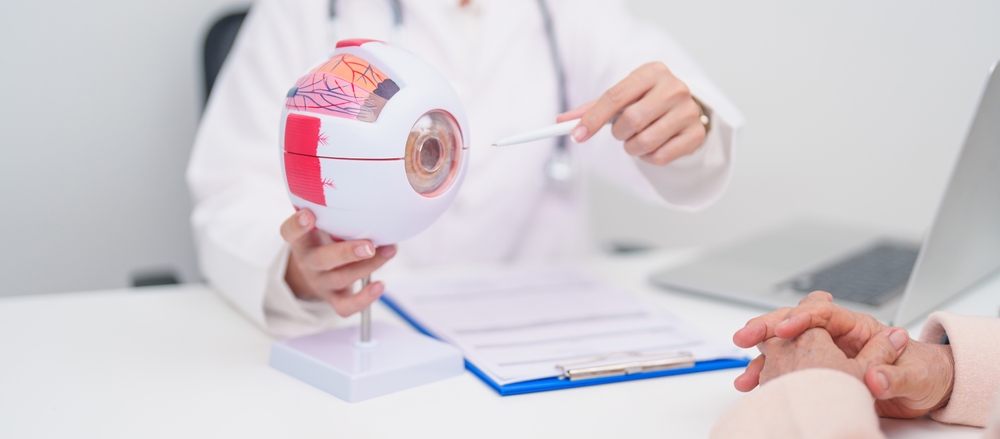
Diabetes can affect many areas of the body, including the eyes. When blood sugar levels stay high over time, they can damage the small blood vessels that support the retina, which is the light-sensitive tissue at the back of the eye. At Rolling Hills Eyecare, we help patients in Pullman and Colfax understand how diabetes can affect vision and why regular diabetic eye exams are so important. One of the most common diabetes-related eye conditions is diabetic retinopathy. This happens when blood vessels in the retina become weakened, swollen, or leaky. In the early stages, diabetic retinopathy may not cause noticeable symptoms, which is why many patients do not realize changes are happening until the condition has progressed. A comprehensive diabetic eye exam allows us to look for early signs of retinal damage before vision loss occurs. Diabetes can also cause temporary changes in vision. When blood sugar levels rise or fall, the lens inside the eye may swell, leading to blurry or fluctuating vision. Some patients notice that their glasses prescription seems to change more often than expected. If your vision changes suddenly or seems inconsistent, it is important to schedule an eye exam rather than assuming you only need new glasses. Diabetes can increase the risk of several eye health concerns beyond diabetic retinopathy. These may include: Because diabetes can affect the eyes in different ways, routine monitoring helps us create a clearer picture of your long-term eye health. Some diabetes-related eye problems develop quietly, but others may cause noticeable changes. Blurry vision, dark spots, floaters, trouble seeing at night, eye pressure, or sudden vision loss should be evaluated promptly. Even if your vision feels stable, diabetic eye disease can still be present. Regular eye exams give us the opportunity to catch small changes early and guide you toward the right next steps. During a diabetic eye exam, we check the retina, optic nerve, blood vessels, and overall eye health. These exams can help detect early damage, monitor existing changes, and support communication with your primary care doctor or diabetes care team when needed. Our goal is to help patients stay proactive. Managing blood sugar, blood pressure, cholesterol, and routine eye care can all play a role in protecting vision over time. Contact Rolling Hills Eyecare in Pullman or Colfax, Washington, by calling (509) 334-3610 or (509) 397-3961 to schedule your diabetic eye exam today.
Diabetic Retinopathy
Vision Changes Can Come And Go
Other Eye Conditions Linked To Diabetes
Symptoms You Should Not Ignore
How Regular Eye Exams Help Protect Your Vision

All Eye
Care Services

Keep
In Touch


At Rolling Hills Eyecare, We provide the highest quality optometry services and compassionate eye care to ensure you and your family is healthy and happy.
Rolling Hills Eyecare
© 2026 Rolling Hills Eyecare. All Rights Reserved. Accessibility Statement - Privacy Policy - Sitemap
