


Diabetic Eye Exams in Pullman: How Early Retinal Imaging Prevents Vision Loss
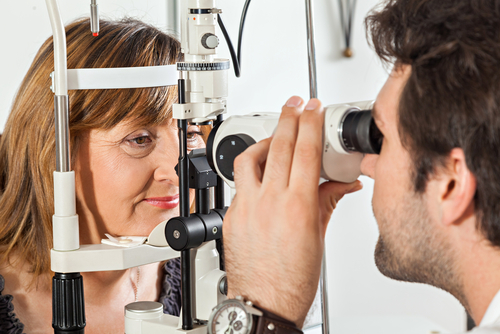
Diabetic Eye Exams in Pullman: How Early Retinal Imaging Helps Prevent Vision Loss
Clear vision does not always mean diabetes has left your eyes unaffected. Retinal changes can develop before you notice blurry vision or other symptoms. At Rolling Hills Eyecare, we help our Pullman patients stay ahead of these changes with diabetic eye exams and appropriate retinal imaging.
Why Diabetes Requires a Closer Look
High blood sugar can damage the small blood vessels in the retina, the light-sensitive tissue at the back of your eye. This damage, called diabetic retinopathy, may cause blood vessels to leak or bleed. Fluid can also collect in the macula, the area responsible for sharp central vision.
Because early damage often causes no symptoms, reading an eye chart is only part of the picture. We also need to evaluate the health of the structures inside your eyes.
How Retinal Imaging Supports Your Exam
Retinal photographs create a detailed record of the back of your eye. Comparing images over time can help us identify changes that deserve closer monitoring.
Optical coherence tomography, or OCT, serves a different purpose. It uses light waves to create cross-sectional images of the retina, allowing us to examine its layers and assess changes in thickness. We recommend imaging based on your eye health and examination findings.
Retinal imaging complements a dilated eye exam. It does not automatically replace dilation or the other testing needed for a complete evaluation.
What We Look For During Diabetic Eye Exams
During diabetic eye exams in Pullman, our examination and appropriate imaging help us assess for:
Small areas of bleeding or changes in retinal blood vessels
Fluid buildup or swelling affecting the macula
Abnormal new blood vessels associated with more advanced disease
Differences from previous images that may affect your follow-up schedule
How Early Detection Guides Care
Imaging itself does not prevent vision loss. Its value comes from helping us recognize problems and recommend care before damage progresses.
Some early changes require monitoring and coordination with your diabetes care team. More advanced findings may require referral to a retina specialist for treatment, such as injections or laser therapy. We explain what your results mean and help you understand the next steps.
Managing blood sugar, blood pressure, and cholesterol also plays an important role in protecting your vision.
When to Schedule Your Next Visit
Many people with diabetes need a comprehensive dilated eye exam every year, with more frequent visits when retinal changes or other risk factors are present. We tailor your follow-up schedule to your needs.
Do not wait for your annual appointment if your vision changes. Sudden vision loss or a sudden increase in floaters requires immediate evaluation.
Give your eye health the attention it deserves. Contact Rolling Hills Eyecare in Pullman, WA, by calling (509) 334-3610 to schedule your diabetic eye exam.

All Eye
Care Services

Keep
In Touch


At Rolling Hills Eyecare, We provide the highest quality optometry services and compassionate eye care to ensure you and your family is healthy and happy.
Rolling Hills Eyecare
© 2026 Rolling Hills Eyecare. All Rights Reserved. Accessibility Statement - Privacy Policy - Sitemap
